Confucian Role Ethics
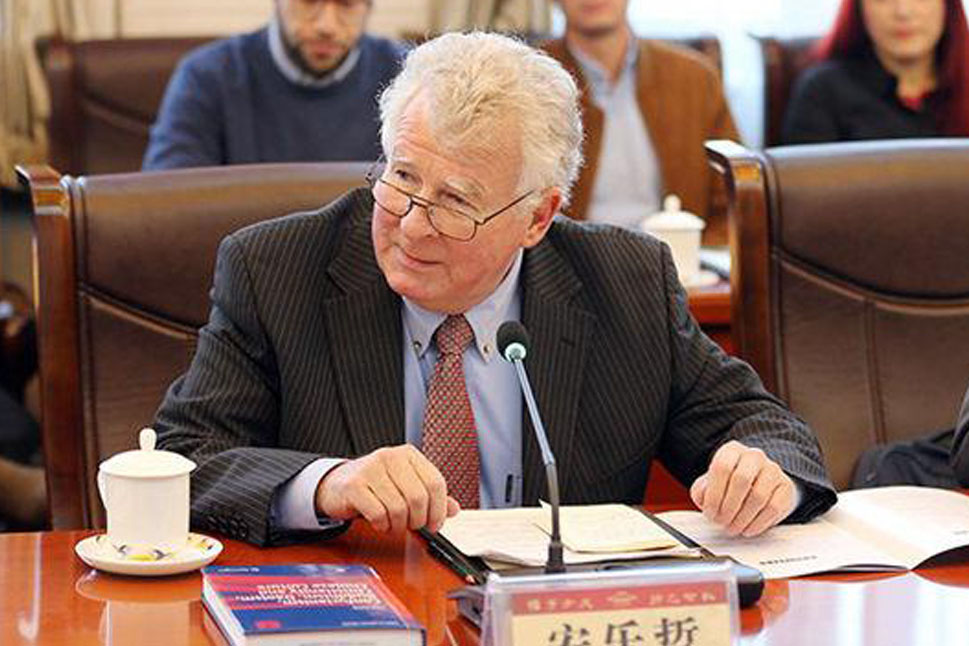
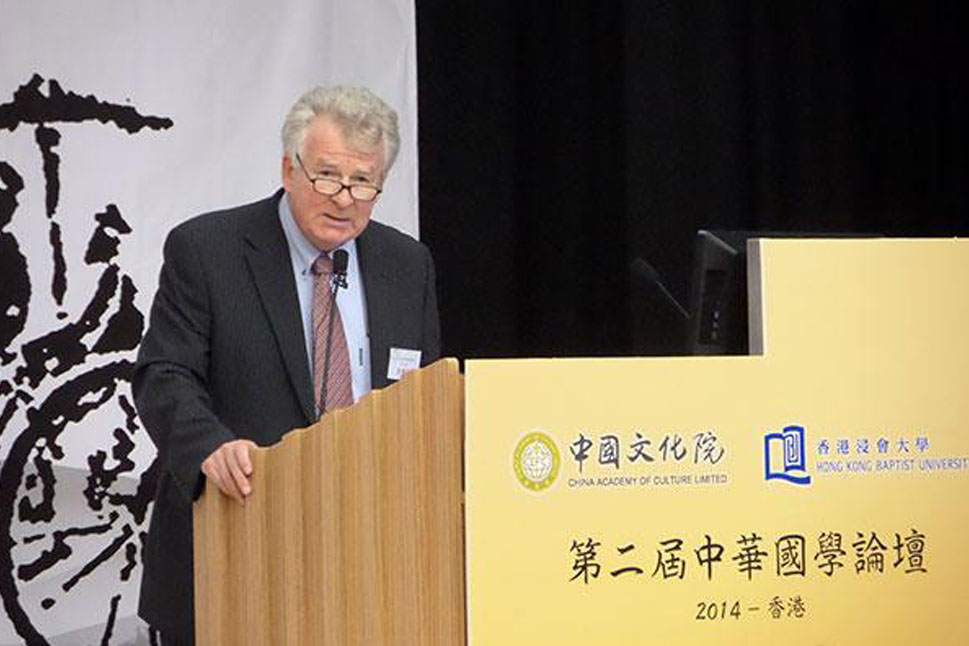
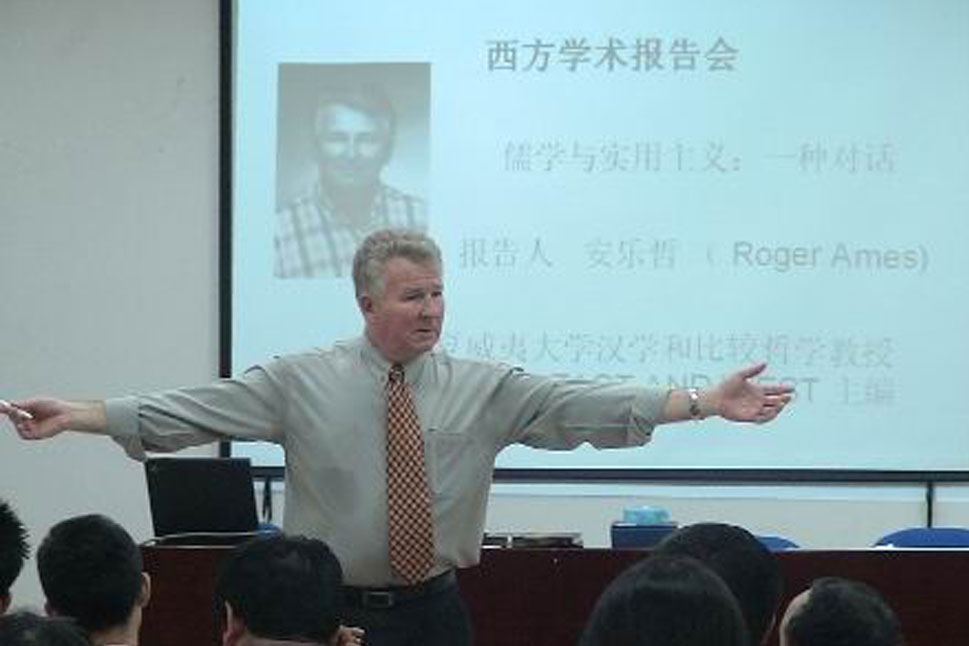
In this landmark book, Roger T. Ames examines how the classics of the Confucian canon portray the authentic, ethical human being.
Publisher:Suny Press
Language: English
ISBN: 978-1438481760
Editor’s Choice
Directory
Acknowledgments
Preface
I. Introduction: ''Appreciating'' Confucianism
1. A Historically Appreciated Confucianism
2. Leibniz's Appreciation of Confucian China
3. Whatever Happened to Wisdom?
4. Western Enlightenment Rationality: The Internal Critique
5. A "Depreciated" Confucianism
6. The Necessity of Informed Generalizations in Making Cultural Comparisons
7. The Inevitability of Analogy in Making Cultural Comparisons
8. Wholesale and Retail Analogies, Associative and Contrastive Analogies
II. An Interpretive Context for Understanding Confucianism
1. Correlative Thinking as Common Sense
2. The Book of Changes (Yijing易经)and Chinese Natural Cosmology
3. Correlative Cosmology and Traditional Chinese Medicine (TCM)
4. Correlative Cosmology as an Ecological Cosmology: From "Things" to "Gerunds" and "Vital Relations"
5. Correlative Cosmology as a Moral Cosmology: This Focus(de德)and Its Field(dao道)
6. Correlative Cosmology as a Religious Cosmology: The Emergence of Cultural Exemplars
7. The Collateral and Constitutive Nature of Relationality
8. Confucian Creativity: “What Makes This Life Significant”
9. TangJunyi 唐君毅 and Chinese Process Cosmology
III. The Confucian Project: Attaining Relational Virtuosity
1. “Human Beings” or “Human Becomings”
2. Setting the Project: The Great Learning(Daxue大学)
3. “Family“ as the Governing Metaphor
4. The Discursive Nature of Family Relations
5. Achieving Personal Identity through Embodying (ti 体)Propriety (li礼) in One's Roles and Relations
6. The Liberating Role of Friendship
7. The Embeddedness and Growth of “Human Becomings"
8. “Human Becomings” as Creatio in Situ:
9. TangJunyi唐君毅on "Human Nature" (renxing人性)as Conduct
10. Our Uncommon Assumptions
11. The Mmcius(Mengzi孟子)and "Human Becomings"
12. The Five Modes of Proper Conduct(Wuxingpian五行篇)as a Window on the Mencius
13. The Pragmatic Notion of Relational Person: An Associative and Contrastive Analogy
14. Making Better Sense of the Notions of "Root," "Source," "Potential," and "Cause"
IV. Confucian Role Ethics
1. On the Source of "Principles" and "Virtues": Value as Growth in Relations
2. A Son Covers for His Father: And Being "True" Lies in Doing So
3. A Flourishing Harmony (he和)
4. Propriety in Roles and Relations (Ii礼)as a Source of Face and of a Sense of Shame
5. Gerundive Persons as Evolving Configurations of Roles (ren仁)
6. ren仁as the Expedient in the Way of Acting
7. "Virtues" as "Virtuosity": The Optimizing of Meaning in Roles and Relations
8. The Beginning of Moral Competence: Family Roles as Ethical Injunctions
9. A Preemptive Vision of the Consummate Life
10. An Explanatory Vocabulary for Confucian Role Ethics
11. Shu恕: “Putting Oneself in the Ocher's Place"
12. Zhong忠:“Doing One's Utmost"
13. Yi 义:“Optimal Appropriateness"
14. Xin信:“Making Good on One's Word”
15. De德:“Excelling Morally"
V. Confucian Human-Centered Religiousness
1. Getting Past Transcendence: Distinguishing Process Cosmology from Substance Ontology
2. Privileging Gerundive Language: Knowing How
3. Abjuring Clarity on tian 天and di帝
4. Cosmic Origins: Genealogical Cosmogony and Its "Epistemogony"
5. Meaning and Value: Confucian A-Theistic Religiousness
6. Confucian Religiousness: The Flower of Inspired Living
7. The Nature of Creativity: Confucian Religiousness as Co-Creativity
Epilogue: The Limits of Confucian Role Ethics
Notes
Bibliography of Works Cited
Index
Abstract
In this landmark book, Roger T. Ames examines how the classics of the Confucian canon portray the authentic, ethical human being. He argues that many distinguished commentators on Confucian ethics have explained the fundamental ideas and terms of this distinctively Chinese philosophy by superimposing Western concepts and categories, effectively collapsing this rich tradition into a subcategory of " virtue ethics." Beginning by addressing the problem of responsible cultural comparisons, Ames then formulates the interpretive context necessary to locate the texts within their own cultural ambiance. Exploring the relational notion of person "that grounds Confucian philosophy, he pursues a nuanced understanding of the cluster of terms through which Confucian role ethics is expressed. Drawing from Western and Chinese sources, Ames makes a compelling argument that the only way to understand the Confucian vision of the consummate life is to take the tradition on its own terms.


Download


Live Broadcast
Address:No.19 North Xisanhuan Road, Beijing Phone number:010-88816235 Postcode:100616
京ICP备14001949号-3
 京公网安备 11010502043135号
北京网站建设:逗号网络
Copyright © 2017-2026 Beijing Boyata Culture Development Ltd. Co All Rights Reserved


 Your location:
